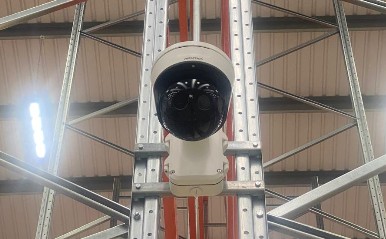
If you are asking what is CCTV installation, you are usually already thinking beyond the camera itself. The real question is how a full system is designed, fitted and configured so it actually protects a property properly.
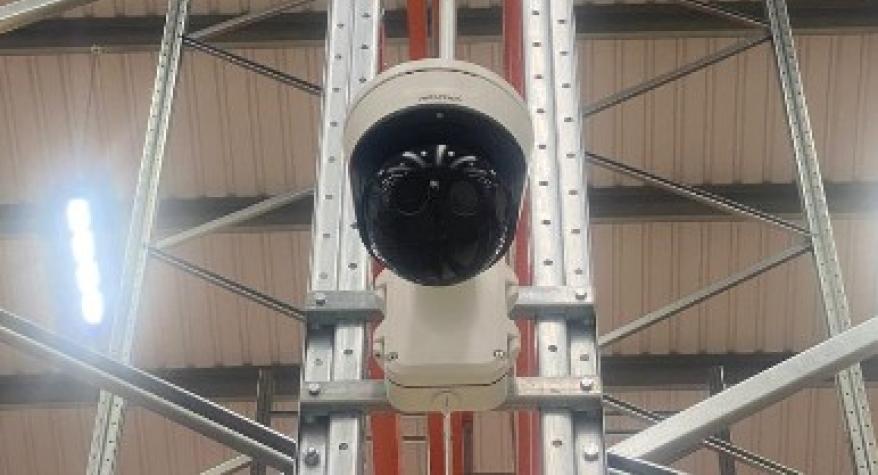
What is CCTV installation?
A good CCTV installation is not simply a few cameras fixed to a wall. It is a planned security system that considers coverage, image quality, recording, lighting, network performance, privacy and long-term reliability.
For homeowners, landlords and business owners in Berkshire, that distinction matters. A poorly positioned camera can leave blind spots.
Untidy cabling can spoil a finished space. Weak networking can cause dropouts. And a system that is not set up correctly can be difficult to use when you need footage quickly. Professional installation is about getting all of those details right from the start.
What is CCTV installation?
CCTV installation is the process of designing, mounting, wiring, connecting and configuring a closed-circuit television system to monitor and record activity within a defined area of your Berkshire property. In practical terms, that usually means selecting the right cameras for the property, placing them in the correct positions, connecting them to recording and viewing equipment, and setting up the software so the system is secure and easy to use.
Closed-circuit television is called "closed-circuit" because the video feed is sent to a limited, controlled system rather than broadcast publicly. Depending on the setup, footage may be viewed on a monitor, stored on a recorder, accessed through a secure mobile app, or all three.
The installation can be simple or highly integrated. A small house might need a front door camera, a driveway camera and one covering the rear garden. A larger home or commercial site may need perimeter coverage, internal monitoring in selected areas, remote access, motion alerts, network switches, audio recording where lawful, and integration with alarms or access control.
What a CCTV installation usually includes
A proper CCTV installation starts with a site survey at your Berkshire property. This is where an installer looks at the layout of the property, likely entry points, lighting conditions, cable routes and the level of detail you need to capture. There is a big difference between a camera that simply shows movement at a gate and one that can identify a face clearly at night.
From there, the system is designed around the building and the client’s priorities. That may include turret, dome or bullet cameras, a network video recorder or digital video recorder, hard drives for storage, power supplies, network equipment, and secure remote viewing software. In some properties, the design also has to respect architectural lines and premium finishes, so camera positions and cabling need careful thought.
Installation day usually involves mounting the cameras, running cables neatly, connecting the system to the recorder or network, adjusting viewing angles and setting recording parameters. Once everything is physically installed, the system needs commissioning. That means checking image quality, testing night vision or low-light performance, confirming that footage records properly, securing passwords, setting user permissions and making sure the customer knows how to use it.
Wired, wireless and IP systems
When people look into CCTV for the first time, they often assume all systems work in much the same way. They do not.
Traditional wired systems are often valued for stability. Cables are run from each camera back to the recording equipment, which can provide a very dependable connection. IP CCTV systems are also wired in many cases, but they use network technology, which often allows for higher resolution, more flexible configuration and easier integration with other smart systems.
Wireless cameras can be suitable in some situations, especially where cabling is difficult or where a small-scale solution is needed quickly. The trade-off is that wireless performance depends heavily on signal strength, network quality and power arrangements. For higher-end residential and commercial projects, a hard-wired or properly designed IP setup is often the more reliable long-term option.
That is why "what is CCTV installation" cannot be answered with a one-size-fits-all description. The right method depends on the building, the risks involved and how the system will be used day to day.
Why camera placement matters more than camera count
One of the most common misconceptions is that more cameras automatically mean better security. In reality, placement matters more than numbers.
A well-designed system focuses on the key areas first: entrances, driveways, side access, car parks, reception areas, delivery points and any vulnerable perimeter routes. The goal is to capture useful footage, not simply add equipment. If a camera is mounted too high, angled poorly or aimed into strong backlight, the image may be far less useful than expected.
This is also where professional knowledge makes a difference. Installers think about identification distance, glare, obstructions, vandal resistance and how conditions change after dark. A camera that looks perfect at midday may struggle badly at night if external lighting has not been considered.
What makes a professional CCTV installation different?
The visible result may look simple, but the quality of the installation sits in the details. Professional CCTV work is not only about fixing equipment in place at your Berkshire premises. It is about planning for performance, compliance and longevity.
That includes neat cable management, correct power requirements, secure network setup, sensible recorder placement, weather protection for outdoor equipment and clear user handover. In premium homes and well-finished commercial spaces, aesthetics matter as well. The system should feel properly integrated into the property rather than added as an afterthought.
It also helps to work with a contractor who understands related systems. CCTV often overlaps with intruder alarms, access control, exterior lighting, data cabling and wider smart technology. If those disciplines are handled together, the result is usually cleaner and more reliable.
Is CCTV installation right for every property?
Not always in the same form. Most properties can benefit from some level of video surveillance, but the exact setup should match the risks and expectations involved.
For a family home, the priority may be seeing who approaches the front door, monitoring vehicles on the drive and keeping an eye on side access. For a landlord, the focus may be protecting shared external areas while staying within privacy rules. For a business, the system may need to support incident review, staff safety, stock protection or insurance requirements.
There are also situations where CCTV should be only one part of the answer. If a site has poor lighting, weak door security or no alarm system, cameras alone may not provide the level of protection expected. Good security design works best when measures support each other.
Privacy, legal considerations and responsible use
Any CCTV system needs to be installed and used responsibly. In the UK, this is especially relevant where cameras cover public areas, neighbouring property or spaces used by staff.
For domestic properties, the rules are often more straightforward, but homeowners still need to be sensible about where cameras point and how footage is handled. For commercial premises, there may be clearer obligations around signage, data handling and retention policies. The law can vary depending on the setting, so it is worth taking advice from a qualified installer before installation if there is any doubt.
A good installer will raise these points early. That is part of a professional service. Security should improve confidence, not create unnecessary risk or confusion.
What to expect from the installation process
A well-run CCTV project should feel clear from the outset. After the initial discussion and survey, you should understand what areas are being covered, what equipment is being used, how footage is recorded and how you will access it.
During installation, disruption should be managed carefully, especially in occupied homes, offices and client-facing spaces. Clean workmanship matters. So does communication. Once the system is live, you should be shown how to review footage, export clips if needed and manage alerts without feeling left to work it out yourself.
For larger or more design-led properties, it is also worth discussing future expansion. You may want to add gates, smart door entry, perimeter detection or integrated lighting later. Planning with that in mind can save cost and disruption down the line.
What is CCTV installation really about?
At its best, CCTV installation is about clarity. Clear images, clear coverage, clear operation and clear thinking around security. It should make life easier, not more complicated.
Whether it is a private home, a development, an office or a managed building, the best systems are the ones that are properly designed for the property and fitted with care. That means choosing the right technology, not the most technology. It means placing cameras where they will genuinely help. And it means working with a contractor who values reliability, finish and long-term performance as much as the equipment itself.
If you are considering a CCTV installation in Berkshire, it is worth looking at the wider picture before choosing a system. A camera can record an event. A well-planned installation can help prevent one in the first place.
If you'd like to discuss installing CCTV at your Berkshire home or business, contact our knowledgeable team.